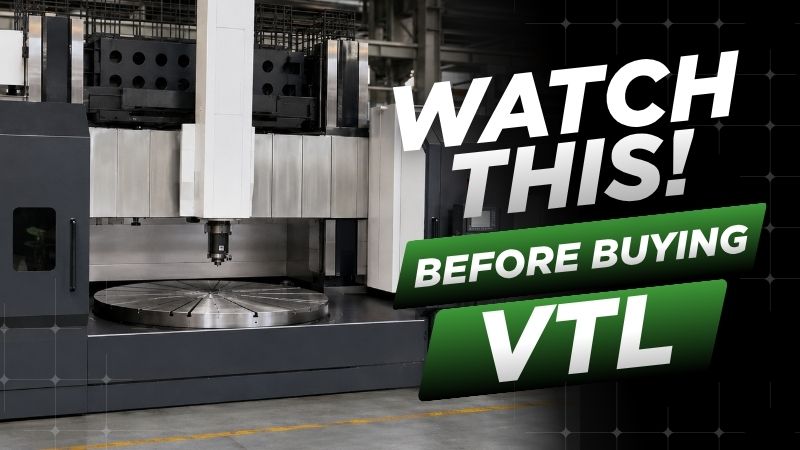
As workpiece dimensions continue to increase, VTL manufacturers face increasingly demanding engineering requirements. Machine development is no longer focused solely on spindle performance and structural rigidity. Instead, greater emphasis is placed on overall system reliability, long-term operational stability, and maintenance efficiency.
Based on Tien Ding Industrial Co., Ltd.’s extensive practical experience, the more complex the machine’s motion architecture becomes, the earlier the telescopic cover system should be integrated into the design process.
In recent years, discussions around AI servers, data center racks, sheet metal enclosures, and liquid cooling structures have grown rapidly. Industry leaders such as NVIDIA, Dell, and Schneider Electric continue to emphasize the importance of high-density rack design and liquid cooling systems in overall equipment performance, thermal efficiency, and system integration.
Rubber materials, as typical petrochemical derivatives, are highly dependent on crude oil markets in terms of both pricing and supply stability. This dependency directly affects critical components used in machine tools, including telescopic covers, where rubber elements play an essential role in buffering and motion control.
The difficulty of Quartz (SiO₂) machining often lies not in whether it can be cut, but in the ultra-fine dust generated after processing. This dust rapidly infiltrates machine motion systems and protective structures, causing abnormal noise, mechanical seizure, accelerated wear, and reducing overall stability and availability.
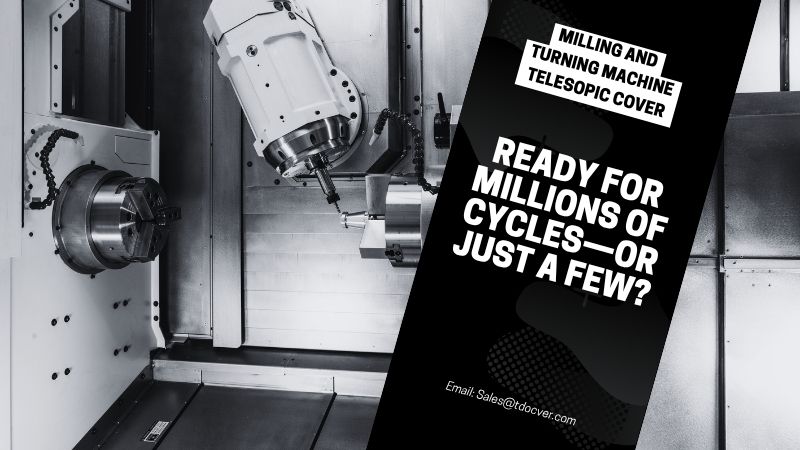
In large machines, protection is no longer a secondary accessory. It is a structural reliability factor. Among all protection components, the telescopic cover increasingly determines machine stability, noise behavior, leakage risk, and maintenance cost.
This site uses cookies to improve your browsing experience. we’ll assume you’re OK to continue. If you want to read more about this, please click PRIVACY thank you.